
Solutions
Every colleague and every AI works from the same truth, and that truth is yours.
Epic Context is one brain for what your company knows: its brand, users, product, design, decisions and how it measures them, connected. Your people and every AI work from it, and Epic Stories installs it with your team.
What changed
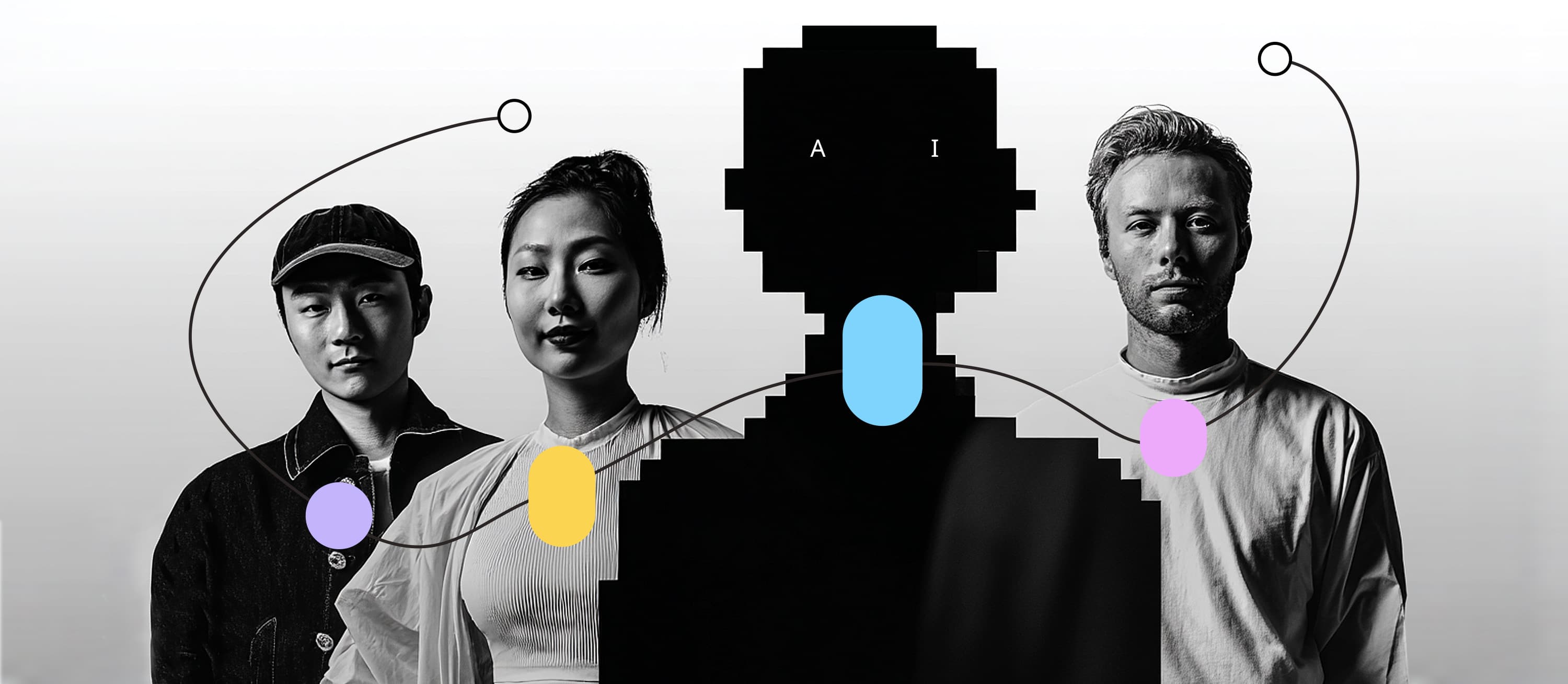
AI does the making now, and everyone has it.
It writes the code, drafts the copy and sketches the design. Agencies and platforms sell that same speed to anyone, so speed no longer sets a company apart.
What an AI makes depends on what it knows. The bottleneck moved from making the thing to keeping right what it is made from.
The old game
The best tools win, until every tool keeps its own copy.
Pick the best tool for each job and brief each one by hand. Every tool keeps its own copy of what the company knows, and the copies drift. An insight becomes a ticket, a ticket becomes a question, and every hand-over loses the why.
Nobody was wrong to play this game. It worked while people carried the context from tool to tool. It stops working when an AI in every tool acts on whatever copy it has.
Today
Every tool keeps its own copy
Your specialists brief each one again, by hand.
Your specialists
- The agencyTone: bold and playfulFrom last year's brief
- Customer serviceTone: formal and carefulFrom the scripts
- A colleague's AITone: whatever the prompt saysFrom someone's prompt
- The website platformTone: warm and directFrom the brand kit
With Epic Context
One source, read by every tool
Your specialists keep it right, once.
Your specialists
One source · yours
Tone: warm and direct
- A reason
- An owner
- Undo
- The agencyTone: warm and directFrom the source
- Customer serviceTone: warm and directFrom the source
- A colleague's AITone: warm and directFrom the source
- The website platformTone: warm and directFrom the source
The new game
The best knowledge wins. So whose knowledge is it?
When everyone has the same AI, the difference is what you know. The question stops being which tools you have, and becomes whose knowledge it is.
The answer is not more context. It is relations: every fact linked to what it rests on, and kept current. Specialists and AI keep it right together, and a person decides what holds.
Then a company can change model, tool or agency and keep what it knows. Who would say no to that? A company happy to rent its knowledge from a platform. That is a fair choice, and it is not ours.
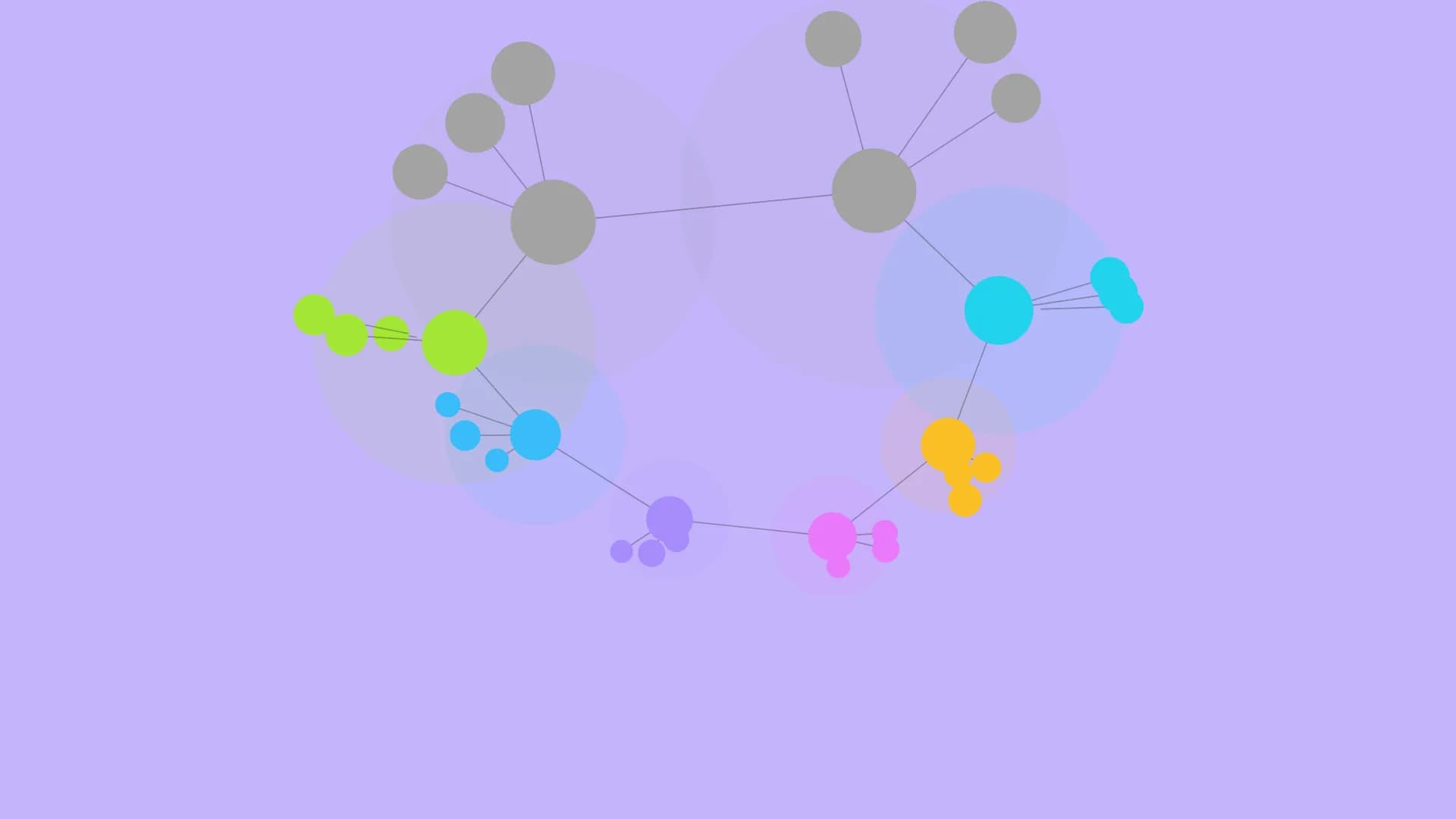
- Everyone works apart.
- Joined: everything in its place.
- One brain.
An illustrationSeparate workplaces become one brain, with every fact in its place. Made from our own brain, in the suite's Content app.
Where you meet it
Ten situations where the copies start to drift.
Start with the one you are in. Each page answers one question and shows how the brain changes it.
The way there
What we bring, and where it stops.
Every capability answers something that stands in the way. Each one also has a limit, and we say it.
| What stands in the way | What we bring | Where it stops |
|---|---|---|
| What the company knows is scattered and has no shape | One brain with a fixed structure: eight groups, thirty-four kinds of knowledge, typed relations | It holds what is not code; the code stays in the repo |
| Nobody dares to let AI write to what is true | Every change has a reason, an owner and an undo; locks for what must not move | A person still decides what holds |
| Knowledge goes stale when nobody tends it | Editors that connect, signal and propose, and never rewrite | Someone has to answer their proposals |
| Every AI works its own way | Experts: the right way of working for each task, growing with what the company learns | They bring the method; the company brings the facts |
| Tools do not share what they know | Every tool reads the same source, over MCP and APIs; nothing is replaced | A tool has to be able to connect |
| A way of working does not install itself | Epic Stories installs it with the team and steps back | It takes the team's own hours too |
How it works
One brain, layer by layer.
From where you work down to what you own. The docs explain each layer in detail.
Epic Context · Architecture
One brain, layer by layer
Your workspace
Where you already work
Colleagues and agents work together in the Epic Suite, in your own tools, or in an AI workspace you connect. You ask the question and decide what happens with the result.
Agents and models
The thinking
Agents do the work when you ask. Every model call goes through one door that counts it. Today that model is Claude; the door can point an organisation at another model, and a second model has not run yet.
One gateway
One way in
The AI and the brain talk through one connector, with your own company account: MCP for Claude, Claude Code and Cursor; an API with keys, bundles, episodes and webhooks for apps; a plugin for Claude Code.
Context engine
The briefing
Every task gets the right expert and exactly the blocks it must see, in full, then related blocks as excerpts up to a token budget. Read first, then write with a reason.
Knowledge
Craft and memory
Craft is the experts: one per group, each with sub-skills, and your own rules on top. Memory is the brain: eight groups, thirty-four kinds of knowledge, every fact linked to what it rests on. The editors order it every night and propose; they never rewrite.
Foundation
Yours
Every change has a reason, a source and an owner, and can be undone. Locks refuse every writer. You can export the whole brain at any time; running it on your own server is planned.
Questions
What is Epic Context?
Epic Context is one brain for what a company knows that is not code: its brand, strategy, users, product, design, build decisions, marketing and measures, in eight groups and thirty-four kinds of knowledge, every fact linked to what it rests on. People read and edit it as a book; AI tools read and write it through one connector. Epic Stories installs it with your team.
Is Epic Context a wiki or a knowledge base?
Neither, in the usual sense. A wiki keeps narrative pages; Epic Context keeps typed knowledge with a fixed structure, required relations, a schema that refuses invalid writes, and a reason and an undo on every change. Keep your wiki for the story; let the brain hold what is true.
Which AI tools work with it?
Any tool that speaks MCP or an API. Claude, Claude Code and Cursor connect through one MCP connector with your company account; apps use API keys, bundles, episodes and webhooks.
Who installs it?
Epic Stories. We install the way of working with your team, starting with one real project, and then step back: fewer service hours per client is the goal, even though we sell hours. Your team works in it from day one.
Does it replace our tools?
No. Your tools keep doing their job and read the same source. Epic Context holds what is not code: the code stays in the repo, the narrative in your wiki, the tickets in your tracker.
Start with one real project
Epic Stories installs Epic Context with your team, on your own work, and then steps back. Tell us where you would start.